
Why Belly Fat Shows Up in Midlife (And What Your Body Needs Now)

There comes a moment in midlife when you realize your body has entered a new season.
The jeans fit differently. The mirror feels unfamiliar. Energy dips faster than it used to. And the belly, once predictable, suddenly feels softer, rounder, harder to change.
If you’re here, take a breath.
Nothing has gone wrong.
Your body isn’t broken.
It’s evolving.
Just like a garden changes with the seasons, the midlife body shifts too. And once you understand what’s actually happening beneath the surface, the path forward becomes much clearer — and far kinder.
Why the Midlife Body Changes
Beginning in our 40s, several physiological changes start to overlap:
Muscle mass naturally declines
This process, called sarcopenia, reduces the body’s ability to burn calories efficiently. Less muscle means a slower metabolic engine, even if you’re eating the same way you always have.
Estrogen levels begin to fluctuate and decline
Estrogen plays a role in how fat is stored. During reproductive years, fat is more likely to distribute around hips and thighs. As estrogen declines in perimenopause and menopause, the body shifts fat storage toward the abdomen.
This is why belly fat becomes more common in midlife, even in women who have never struggled with weight before.
Stress tolerance decreases
Cortisol, the stress hormone, rises more easily and stays elevated longer. Chronically high cortisol encourages fat storage around the midsection and increases cravings for quick energy foods.
Recovery slows
The body needs more time to rebuild after workouts, poor sleep, or stressful weeks. Pushing harder often leads to burnout, not results.
Daily movement quietly declines
Many women become less active without realizing it, more sitting, more responsibilities, more mental load, less spontaneous movement.
None of this is a character flaw.
It’s biology meeting lifestyle.
Why Belly Fat Shows Up After 40
This is one of the most searched, most whispered, most silently frustrating midlife concerns.
And it has a real explanation.
When estrogen declines:
• Fat storage shifts toward the abdomen
• Insulin sensitivity can decrease
• Muscle maintenance becomes harder
• Inflammation rises more easily
When cortisol stays elevated:
• The body prioritizes fat storage for “safety”
• Cravings increase
• Blood sugar regulation becomes less stable
When muscle mass declines:
• Fewer calories are burned at rest
• The body becomes more efficient at storing energy
So the belly isn’t appearing because you stopped trying.
It’s appearing because the rules changed.
And once the rules change, the strategy must change too.
Why Wellness Habits Matter More in This Season
In earlier years, many women could:
• Eat a little less
• Do more cardio
• Push harder
• Skip meals
• “Get back on track Monday”
In midlife, that approach backfires.
This season responds best to:
• Strength training to rebuild and protect muscle
• Protein to support metabolism and recovery
• Daily walking to regulate blood sugar and stress
• Sleep routines that support hormone balance
• Nervous system regulation instead of constant pressure
• Consistency over intensity
Not punishment.
Not perfection.
Not exhaustion.
This is the season where smart habits beat extreme ones every time.
A Softer, Smarter Way Forward
When women stop fighting their changing body and start supporting it, everything shifts:
• Energy improves
• Strength returns
• Confidence rebuilds
• Weight becomes easier to manage
• Belly fat responds gradually and sustainably
• Health markers improve
• Self-trust comes back
Not overnight.
But steadily.
And realistically.
Like tending a garden, small daily care creates long-term bloom.
You’re Not Behind, You’re in a New Chapter
If your body feels unfamiliar right now, it isn’t failure.
It’s transition.
And with the right approach, this season can become one of the strongest, most grounded, most empowered chapters yet.
If you’d like guidance tailored to your body, lifestyle, and goals, I offer a small number of private coaching spots for women navigating this exact stage of life. Learn more about private online coaching here>
This isn’t the end of your strength.
It’s the beginning of a new kind.
Get updates!
Author

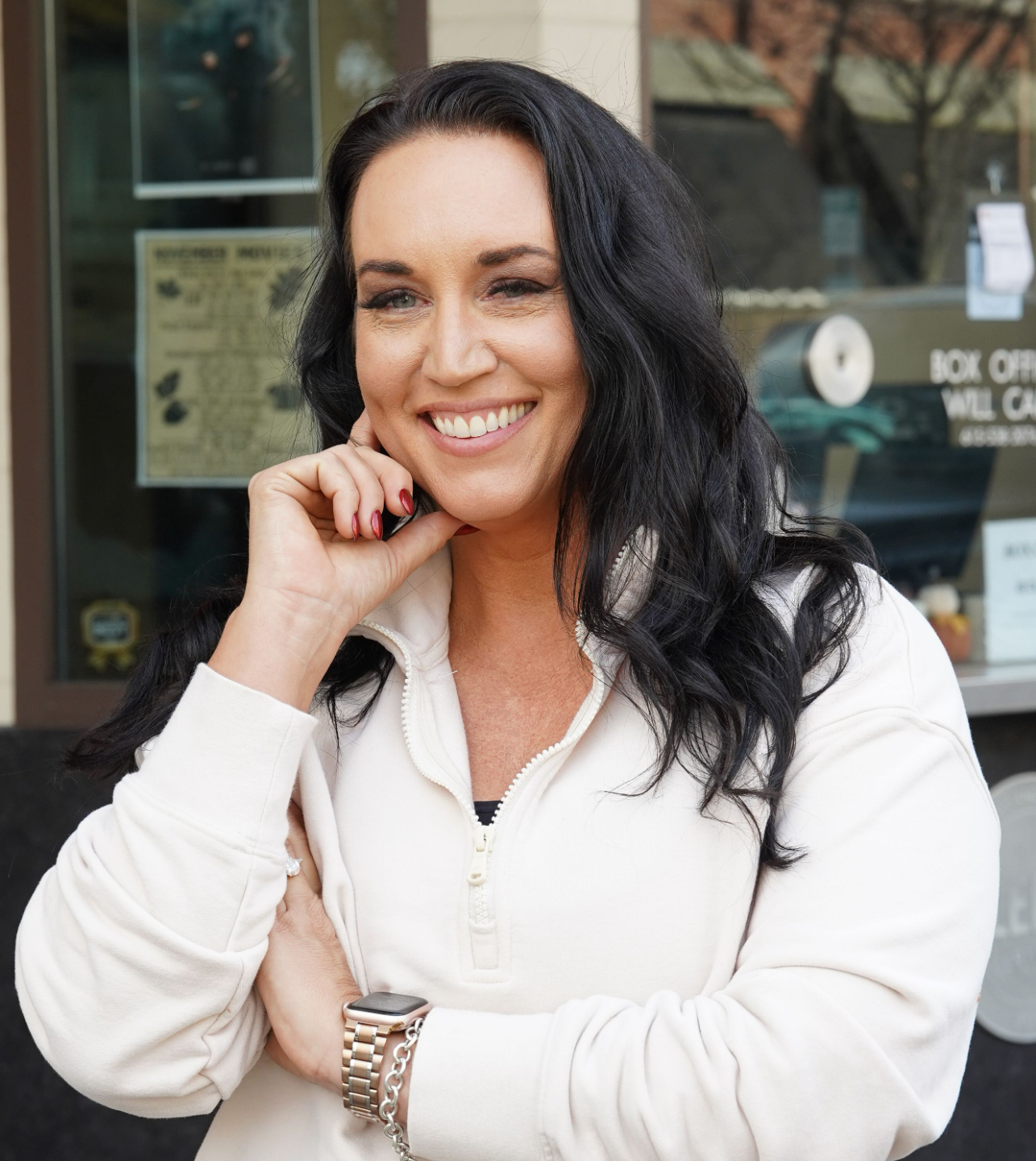
Nicole Crossland
Personal Trainer
Hi! I'm Nicole. I've been a personal trainer for 30 years and help women 40+ live the best and healthiest life!
Free 3-Day Reset
Feel more like yourself again in 3 days
A simple reset for women over 40 to get back into a rhythm that actually works.
Categories
All CategoriesCategories
All Categories